A recent matrimonial matter that has been widely discussed across legal circles and social media has once again brought public attention to the complexity of family disputes in India. The matter involved prolonged litigation between a husband and wife spanning nearly a decade, with multiple proceedings initiated across forums before the dispute ultimately reached the Supreme Court. Exercising its powers under Article 142 of the Constitution, the Court reportedly brought finality to the matter through a comprehensive resolution addressing divorce, financial settlement, custody, and closure of connected proceedings.
The case has naturally generated strong reactions and intense public discussion. Yet beyond the headlines and commentary, it also offers an important opportunity to reflect on the evolving role of mediation and Online Dispute Resolution (ODR) in matrimonial and family disputes.
It is important to acknowledge that courts play an indispensable role in protecting rights, ensuring due process, and providing remedies in deeply contested matters. The judiciary often handles highly sensitive disputes involving allegations, emotional distress, financial concerns, and child welfare with immense responsibility and care. In many situations, judicial intervention is not only necessary but essential.
At the same time, family disputes are unique because they are rarely limited to purely legal questions. Alongside legal issues, they often involve emotional strain, communication breakdowns, parenting concerns, financial anxieties, and unresolved interpersonal conflict. This is precisely where mediation can serve as a valuable complementary mechanism within the justice ecosystem.
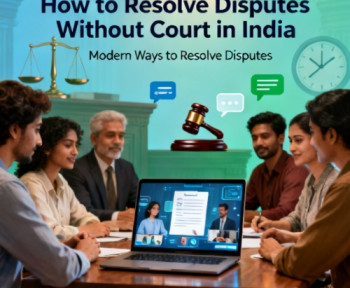
Mediation does not replace the courts. Rather, it supports the broader objective of dispute resolution by creating a structured and confidential environment where parties can engage in dialogue with the assistance of a neutral mediator. While courts adjudicate rights and obligations, mediation focuses on facilitating communication, identifying common concerns, and exploring practical, future-oriented solutions.
In matters involving prolonged matrimonial disputes, mediation can sometimes help parties address issues at an earlier stage before positions become deeply adversarial. Even where reconciliation is not possible, mediation may assist in arriving at more constructive conversations around separation terms, co-parenting arrangements, financial settlements, and closure with dignity.
The increasing adoption of Online Dispute Resolution further strengthens this possibility. ODR platforms have made mediation more accessible, flexible, and efficient by allowing parties to participate remotely, schedule sessions more conveniently, and engage in discussions within a less formal environment. Particularly in emotionally sensitive disputes, this accessibility can encourage more meaningful participation and reduce procedural fatigue.
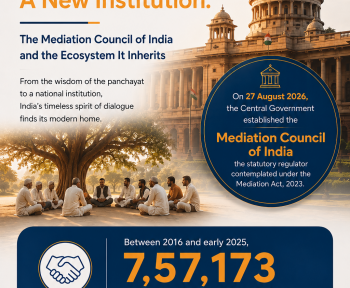
Importantly, the growing focus on mediation in India reflects the judiciary’s own recognition of consensual dispute resolution as an important part of modern legal practice. Recent legislative and institutional developments demonstrate a collective effort to encourage amicable resolution wherever appropriate, while still preserving the authority and safeguards of the formal judicial process.
The widely discussed matrimonial case therefore highlights not only the significance of judicial intervention, but also the potential value of introducing facilitated dialogue mechanisms earlier in certain disputes. It reminds us that access to justice can take multiple forms — adjudication where necessary, and collaborative resolution where possible.
As India continues strengthening its dispute resolution framework, mediation and ODR are likely to become increasingly important tools in helping families navigate conflict with greater efficiency, dignity, and long-term stability.
Because ultimately, the objective of every dispute resolution system — whether through courts or mediation — remains the same: achieving meaningful and lasting resolution.